Honda · Humanoid · 1996
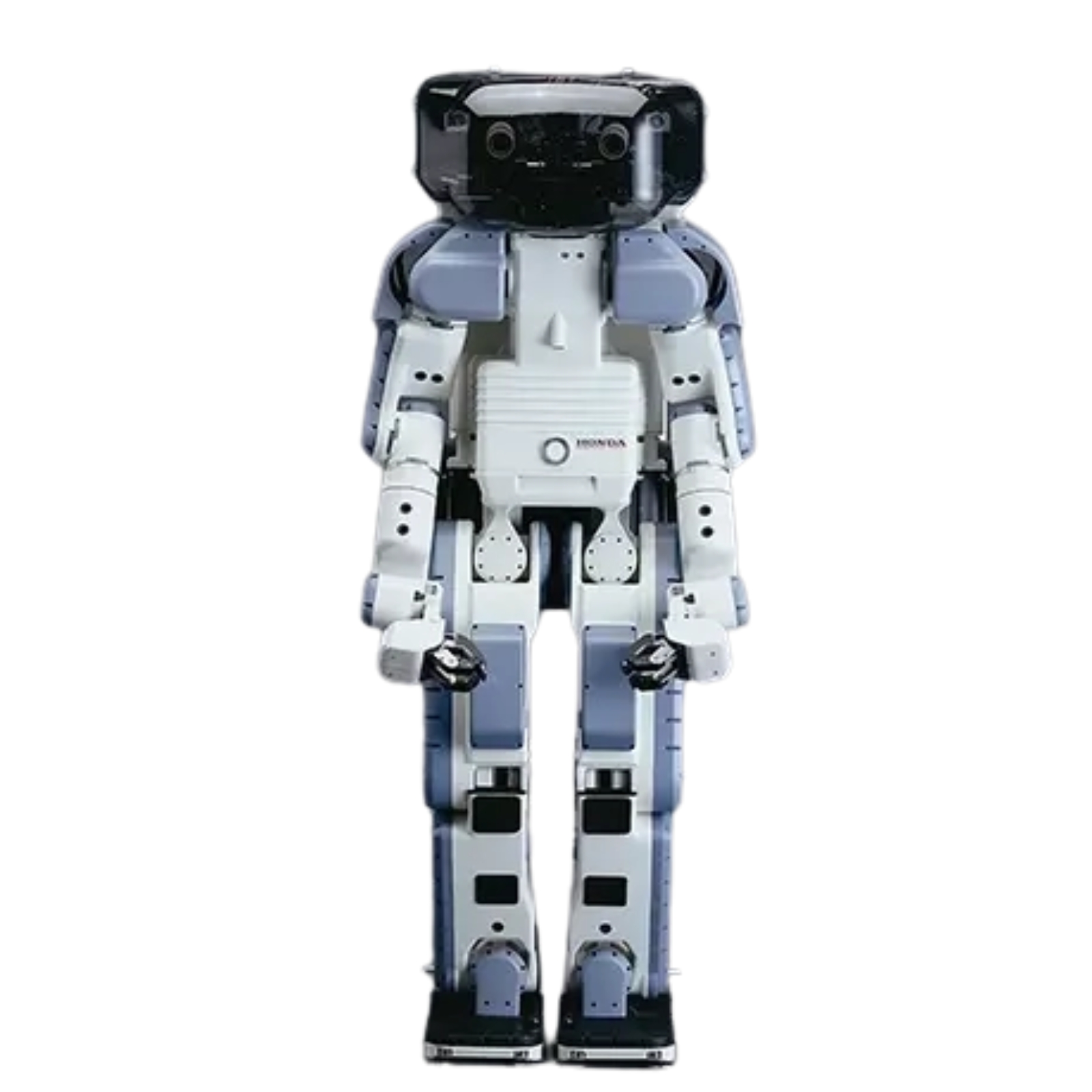
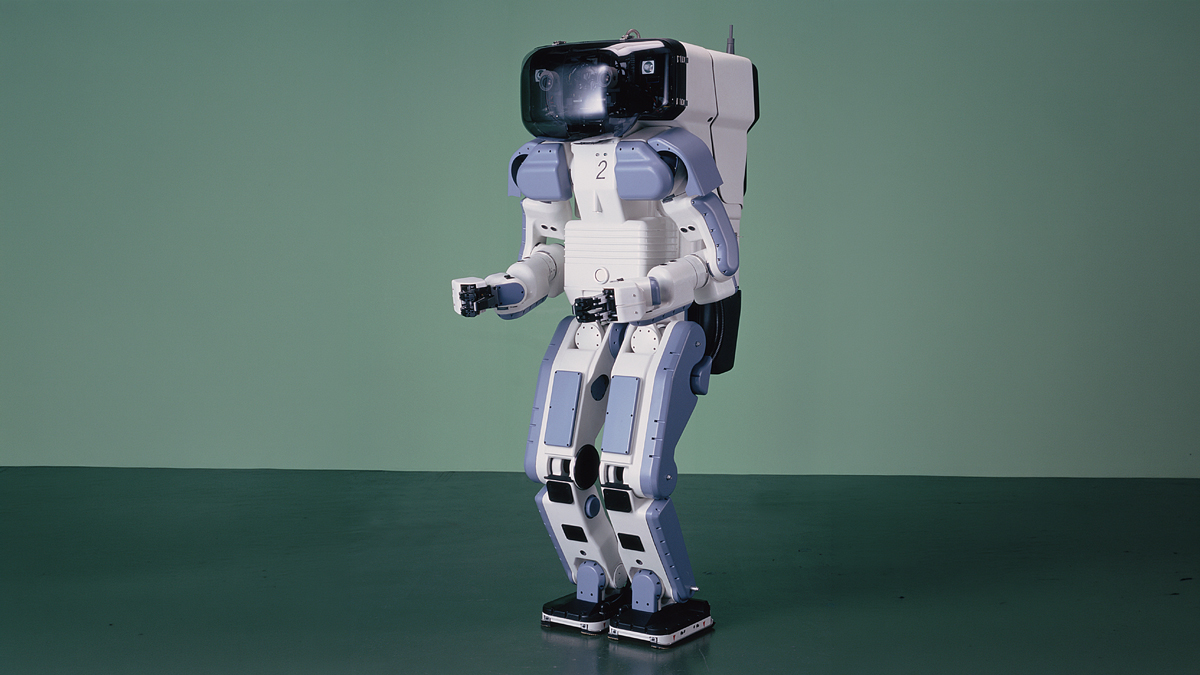
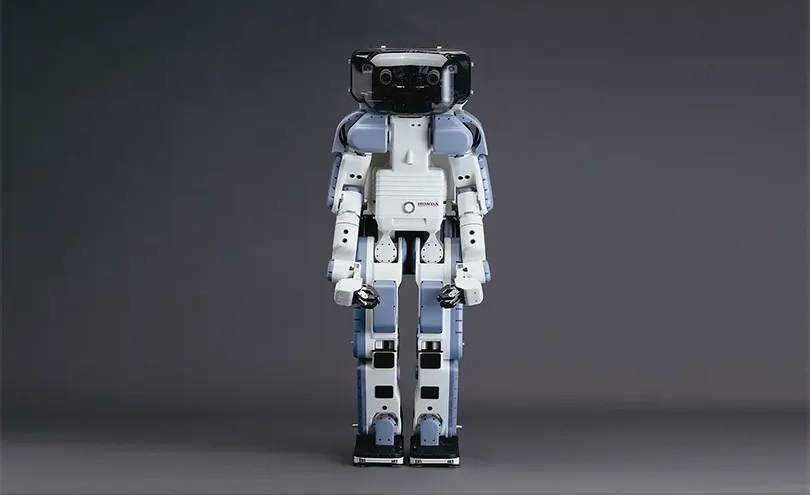
Honda's P2, unveiled December 1996, is one of the most important robots in history — the world's first self-regulating, autonomous, wireless bipedal humanoid, and the machine that stunned the robotics world and launched the modern humanoid era. At 1,820 mm and 210 kg with 30 degrees of freedom, it was the first to build everything — computer, motor drives, battery, and wireless radio — into its own torso, freeing it from tethers. It could walk autonomously at 2 km/h, climb up and down stairs (using a six-axis force sensor in its feet to estimate tread depth), push carts, and tighten bolts via a force-reflecting master arm. P2 directly led to ASIMO four years later, was recognised as an IEEE Milestone in 2026, and was loaned to Japan's AIST in 1998 to kick-start the national Humanoid Robotics Project (HRP). NOTE: specs from Honda's official robotics history and the IEEE Milestone record — this is a historic entry documented to verified figures, not a current datasheet.
Price on application
View full interactive profile, comparisons & videos →| Category | Humanoid |
| Sub-type | Bipedal Prototype Humanoid (historical) |
| Status | Active |
| Year | 1996 |
| Origin | Japan |
| Announced | 1996-12 |
| Released | 1996 |
| Dimensions (H×W×D) | 1820 × 600 × 758 mm |
| Weight | 210 kg |
| Degrees of freedom | 30 |
| Payload | 5 kg |
| Max speed | 0.56 m/s |
| Battery life | 15 min |
| Actuator type | Electric servo motors; ZMP-based walking control; all components (computer, drives, battery, wireless) onboard in torso/backpack |
| Use cases | Bipedal-locomotion research (historical), Technology demonstration |
| Made in | Japan |