
MIT AI Lab · Social · 1998
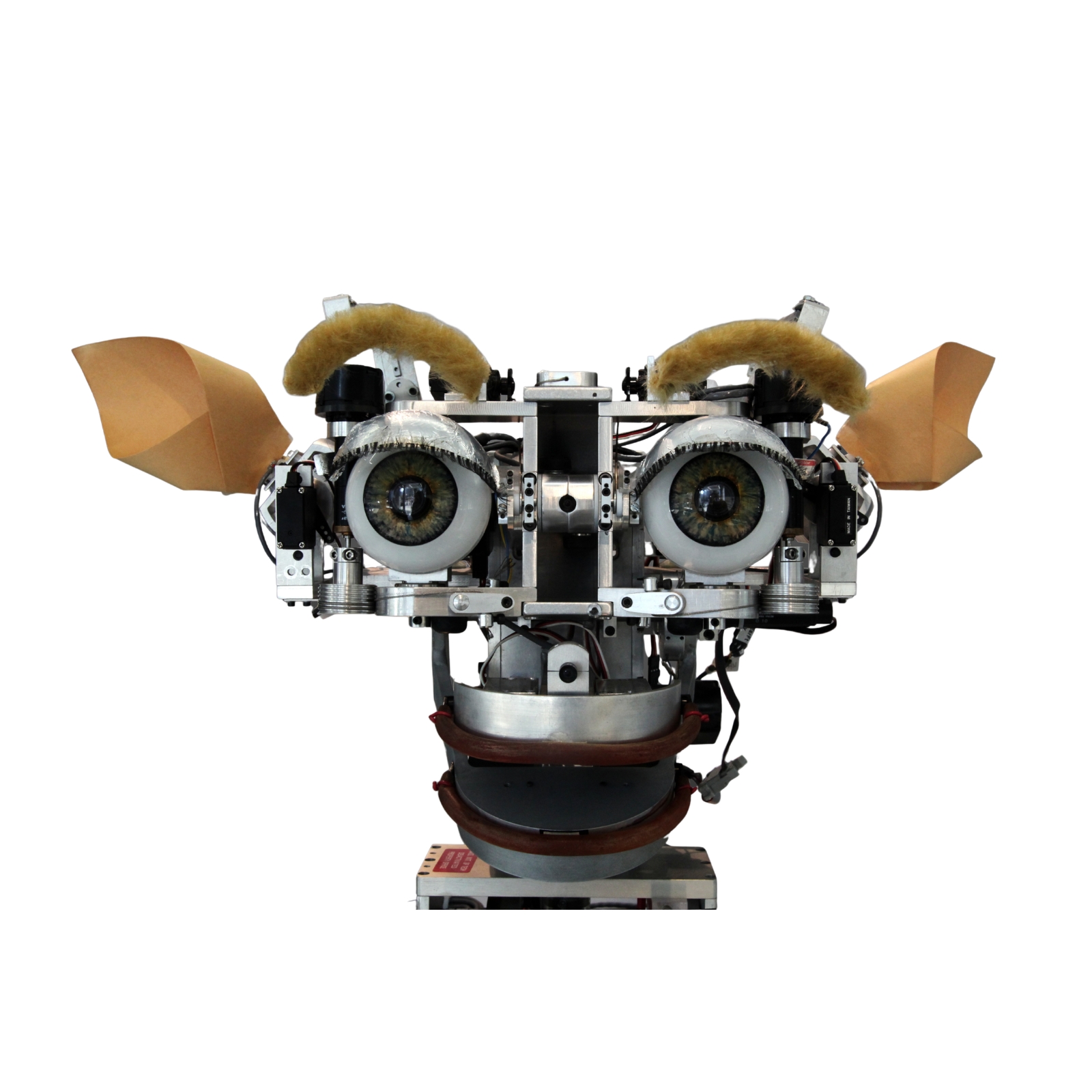
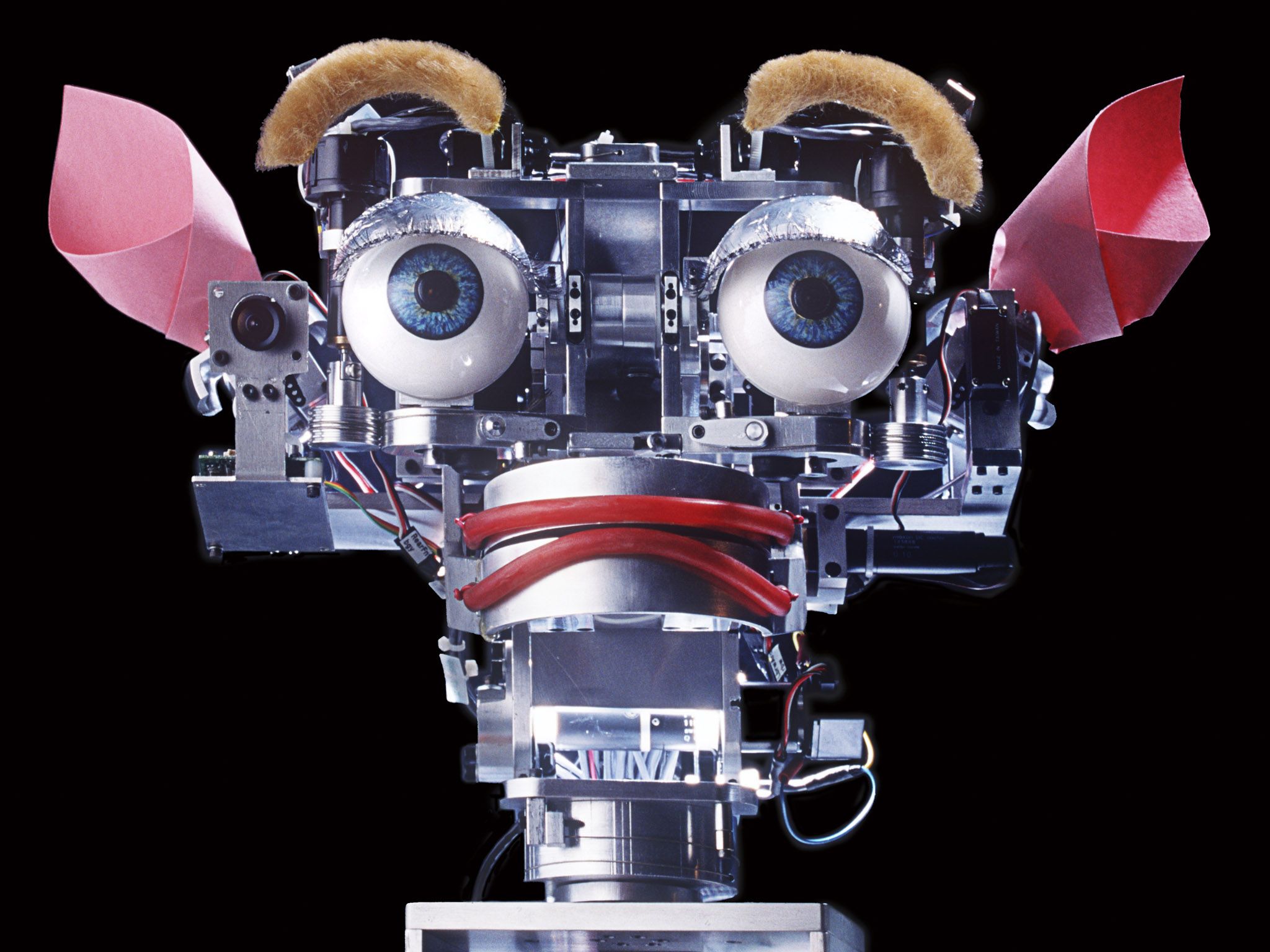
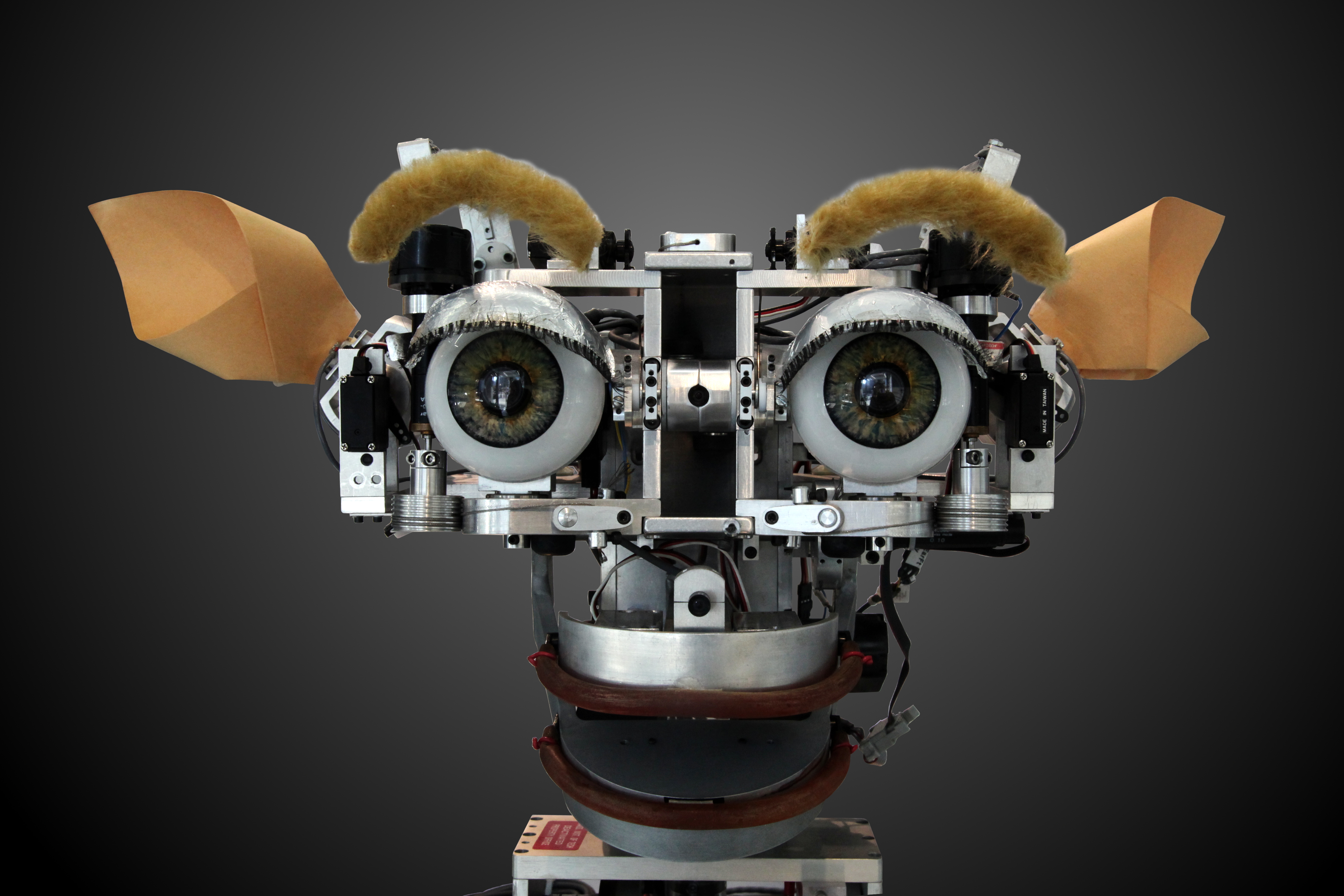
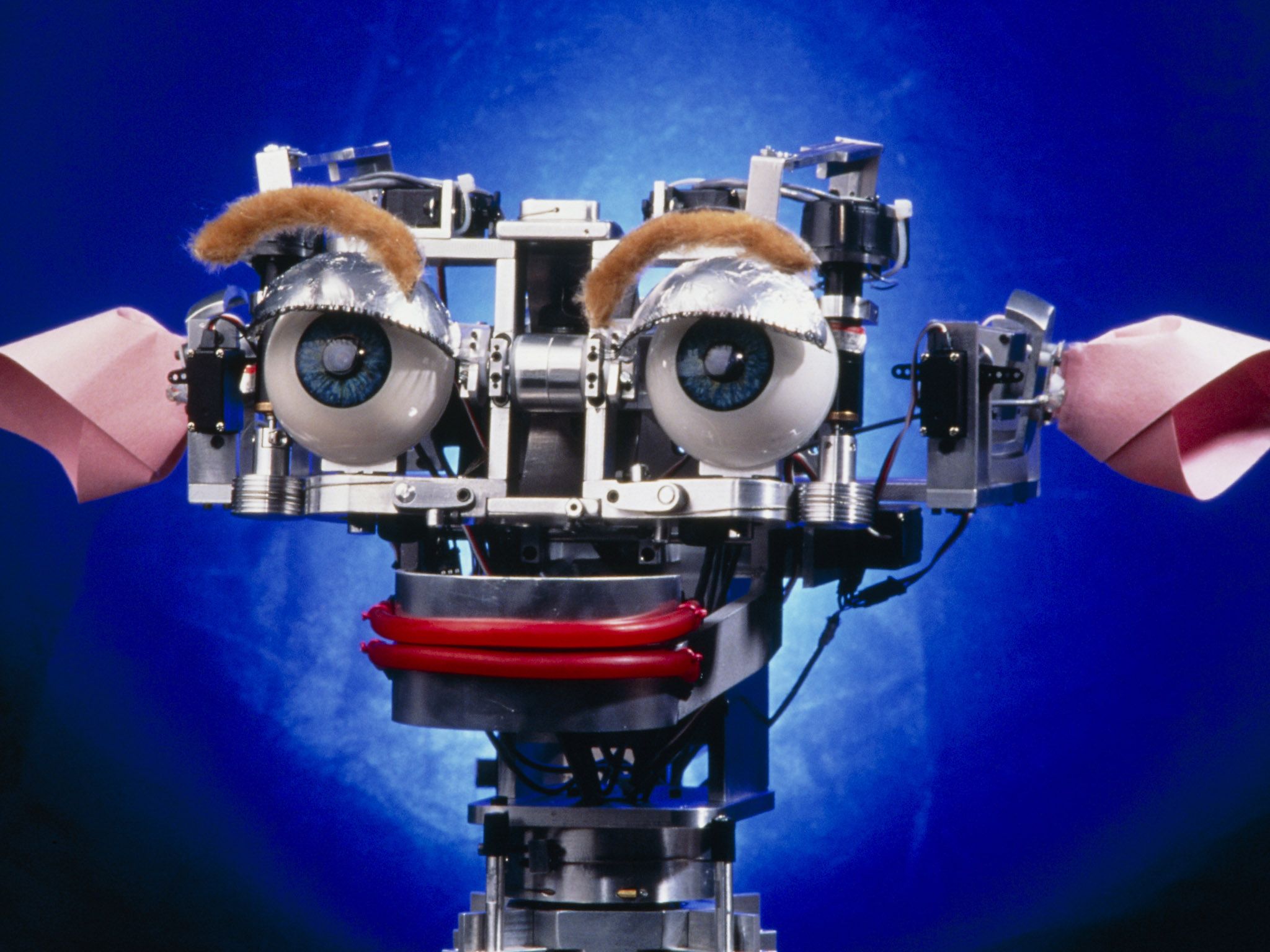
A landmark of social robotics built in the late 1990s at MIT by Dr. Cynthia Breazeal as an experiment in affective computing — a robot head that could recognise and simulate emotion. Kismet perceives auditory, visual and proprioceptive social cues and responds with human-readable expressions (happiness, sadness, anger, fear, disgust, surprise, interest, calm, tiredness) through movements of its ears, eyebrows, eyelids, lips and jaw, plus expressive 'proto-speech' babble and tone of voice. Its active-vision system has four DoF (each eye pans independently, with a shared tilt), and the whole platform runs ~21 actuators fed by four cameras and three microphones across a network of computers. Funded by NTT and DARPA, Kismet now resides at the MIT Museum.
Price on application
View full interactive profile, comparisons & videos → Check price on Amazon →| Category | Social |
| Sub-type | Expressive Social Robot Head (research) |
| Status | Discontinued |
| Year | 1998 |
| Origin | USA |
| Degrees of freedom | 21 |
| Camera | 4 digital cameras (stereo active vision, 4-DoF) |
| AI model | Affective computing (emotion + motivation model) |
| Actuator type | Servo motors (ears, eyebrows, eyelids, lips, jaw, eyes, neck) |
| Use cases | Social robotics research, Affective computing, Human-robot interaction, Museum exhibit (MIT Museum) |
| Made in | USA |