
KUKA · Entertainment · 2015
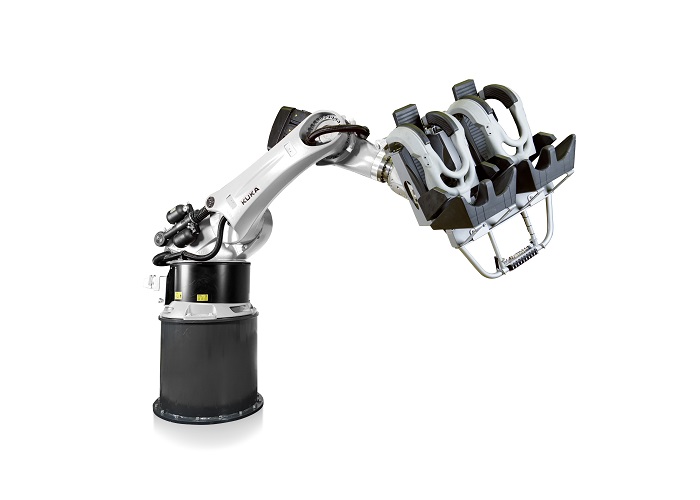
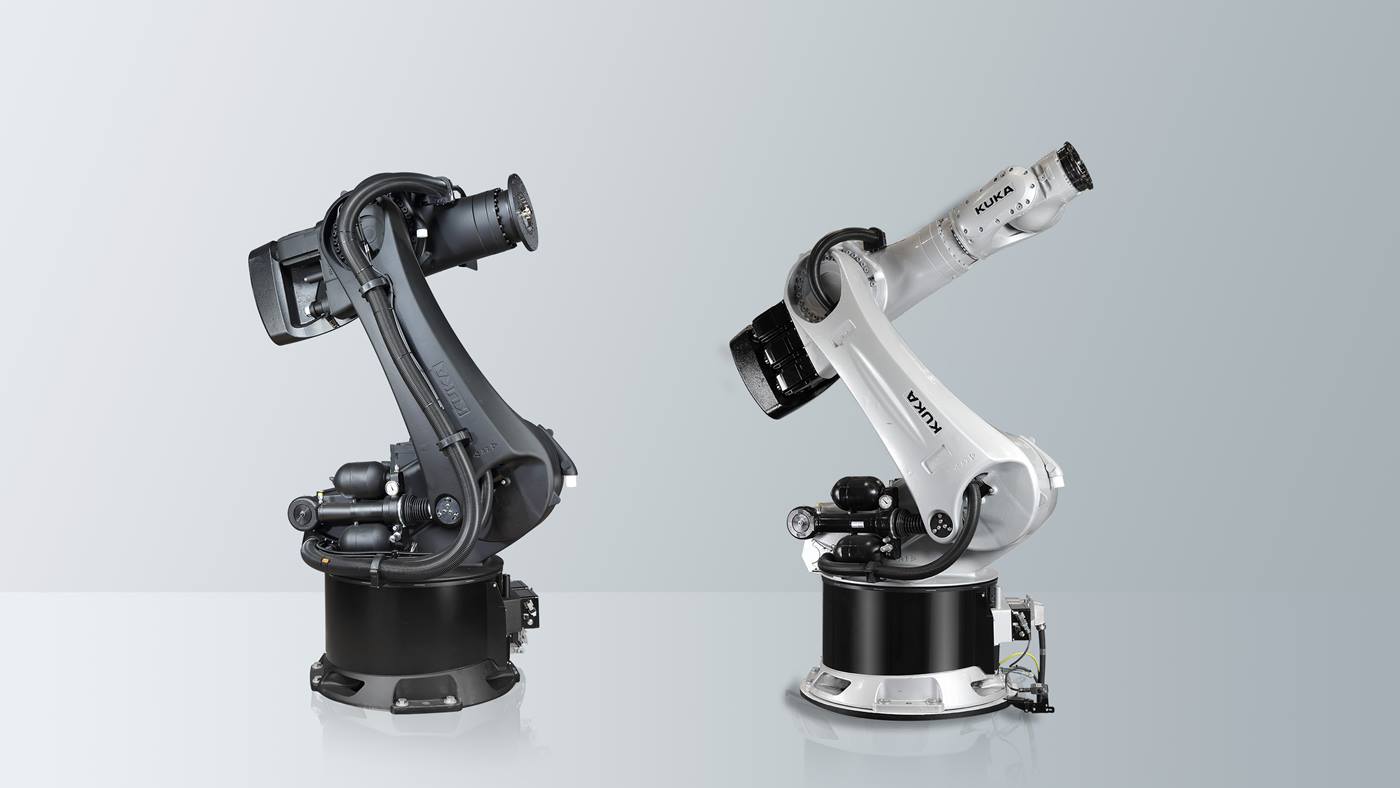
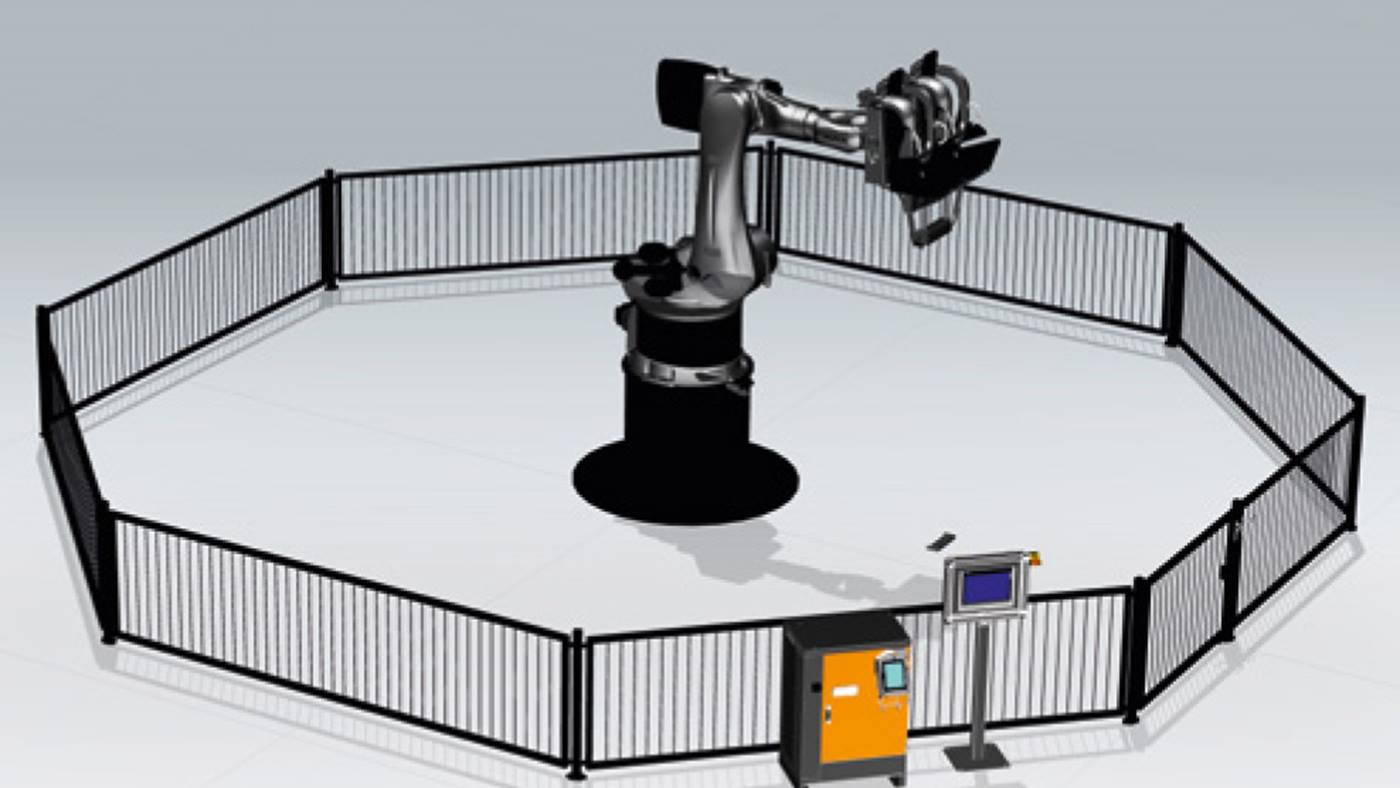
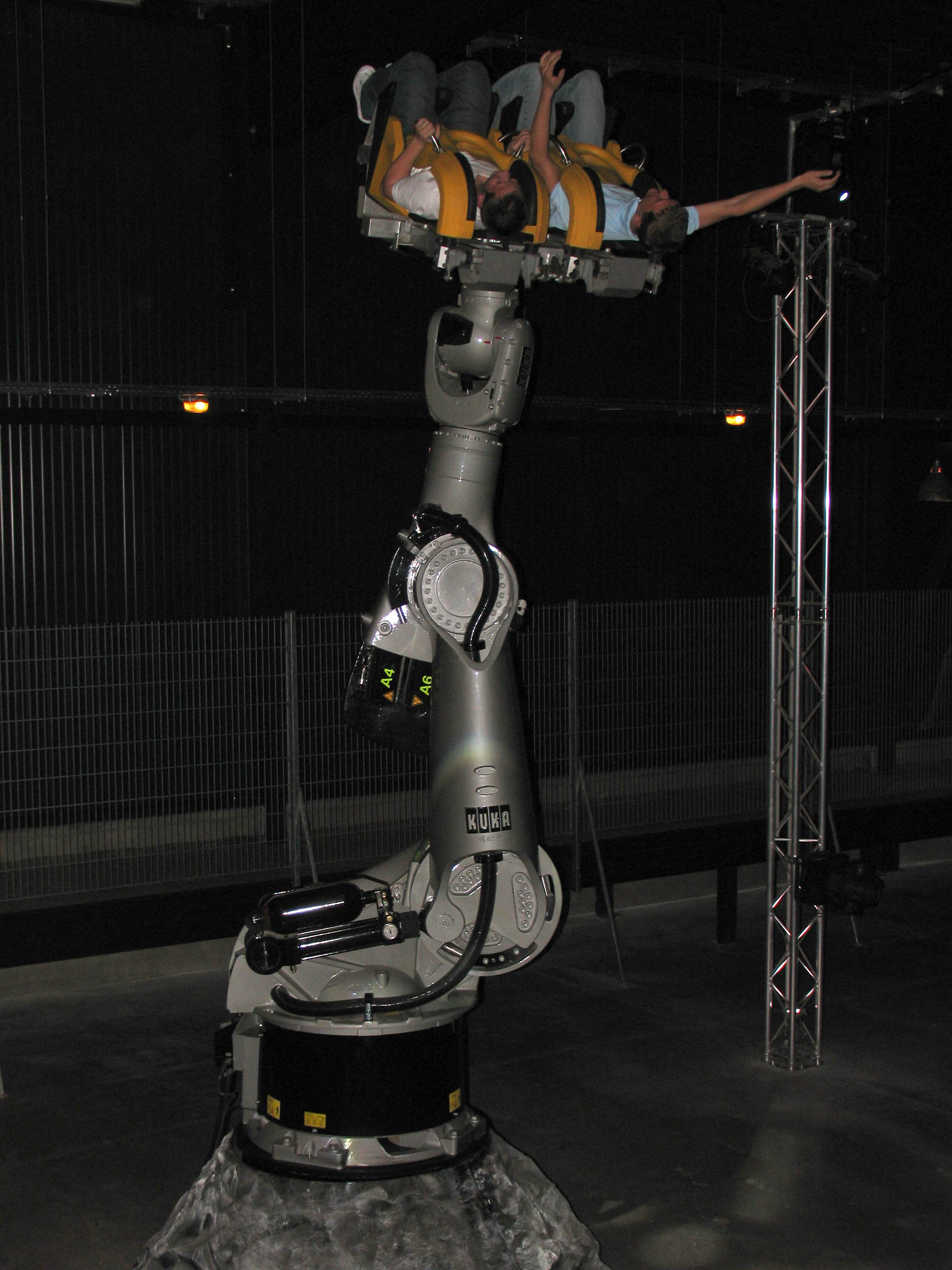
A passenger-carrying amusement ride built from a KUKA industrial robot arm — the concept was invented by Gino De-Gol (RoboCoaster Ltd, England) and realised with KUKA in 2001 from the adapted KR500 robot, debuting in 2002 with ten units sold to Legoland Denmark. A gondola of two to four seats is mounted to the wrist of a 6-axis arm, giving riders full six-degrees-of-freedom motion (360-degree pitch, yaw and roll well beyond a normal hexapod motion base) at up to ~2 g. Riders pick their own intensity from level 1 (gentle single-axis rotation) to level 5 (wild, inverted), and multiple stored motion profiles can be swapped at the press of a button. KUKA's certified passenger robots (KR 600 R2830 for up to 3 riders, KR 700 R2510 for up to 4) are TUV-certified to EN 13814 with redundant PLe brakes and optical encoders sampling arm position every 32 ms. Deployed in theme parks, VR motion simulators (RoboSim 4-D) and dark rides worldwide, including Epcot's 'Sum of All Thrills'.
Price on application
View full interactive profile, comparisons & videos → Check price on Amazon →| Category | Entertainment |
| Sub-type | Robotic-Arm Amusement Ride |
| Status | Active |
| Year | 2015 |
| Origin | Germany |
| Degrees of freedom | 6 |
| Payload | 600 kg |
| Reach | 2830 mm |
| Actuator type | 6-axis industrial robot (KR-series servo) |
| Use cases | Theme parks, VR motion simulators, Dark rides, Science centres / FECs |
| Made in | Germany |
